Rain Water Harvesting System and Solutions Website Design Templates
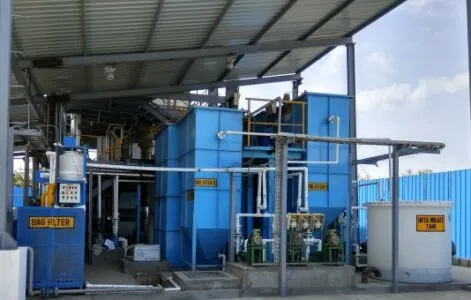
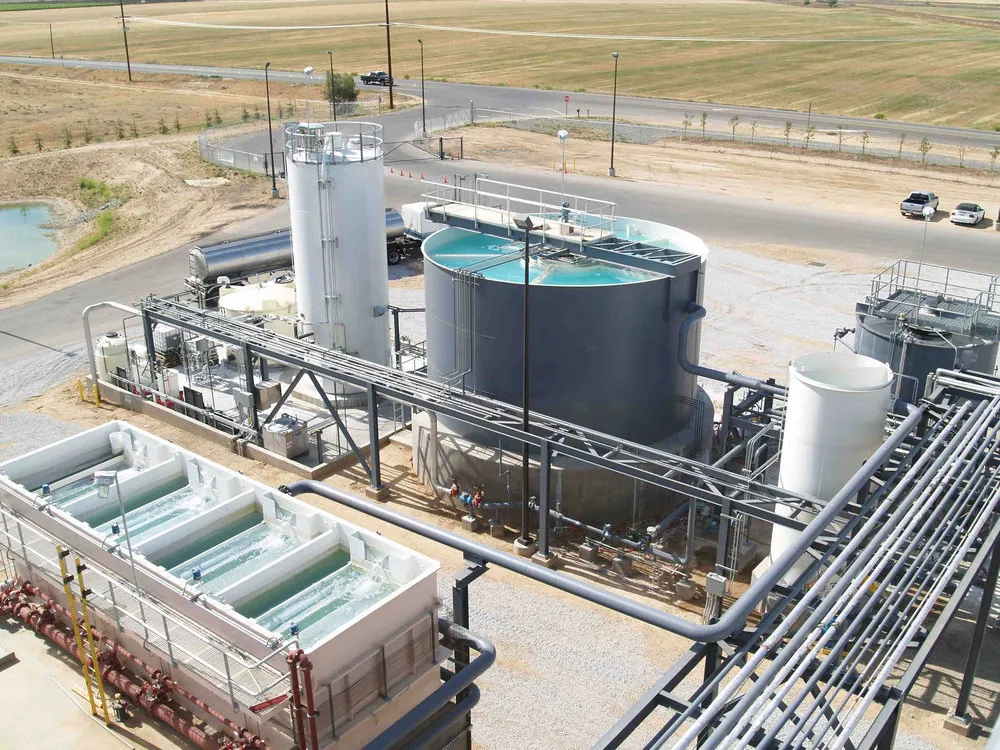
Wastewater treatment plants are essential infrastructures in urban and industrial areas, built to meet stringent environmental regulations and sustainability goals. With water scarcity becoming a global challenge, WWTPs provide an eco-friendly solution by recycling water for various uses. Additionally, advancements in technology have made treatment processes more efficient, reducing operating costs and energy consumption. Today, WWTPs incorporate smart technology for real-time monitoring, offering communities an effective, reliable way to manage wastewater while promoting sustainable development and resource recovery.
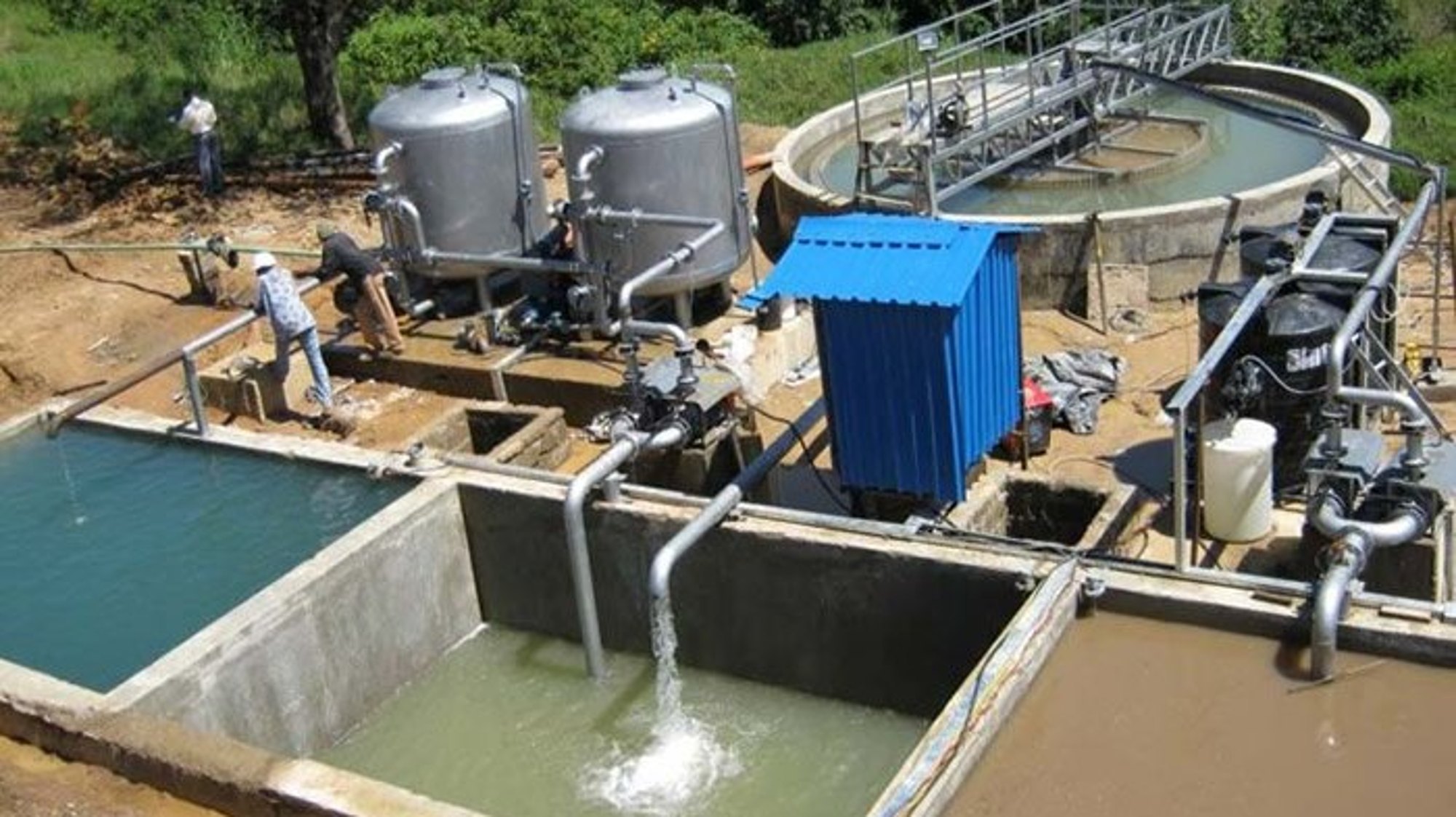
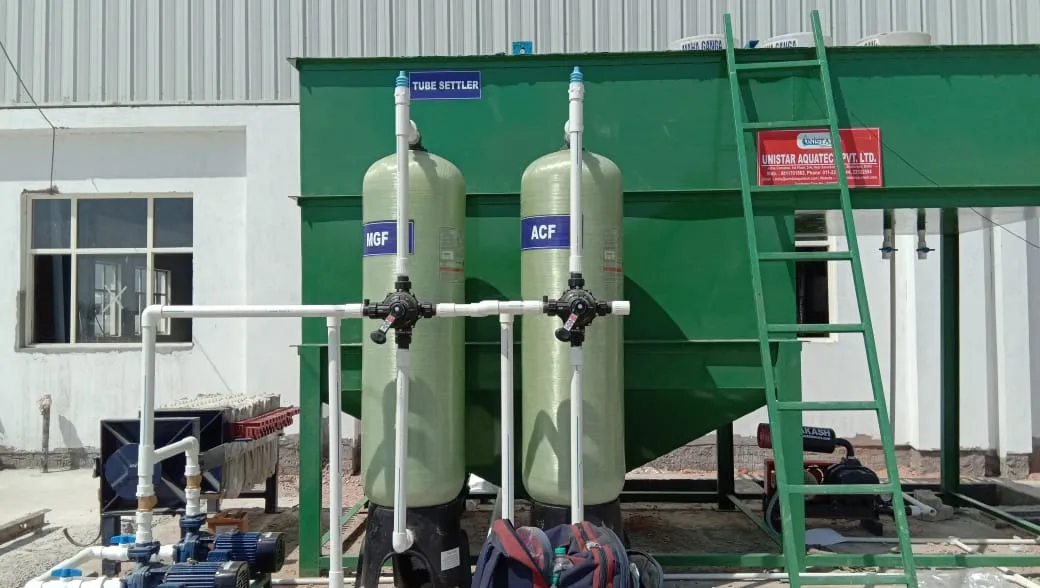
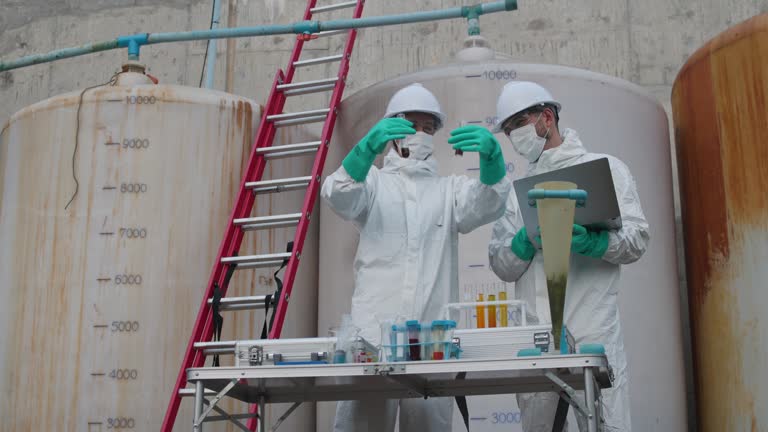
Treatment for drinking water production involves the removal of contaminants and/or inactivation of any potentially harmful microbes from raw water to produce water that is pure enough for human consumption without any short term or long term risk of any adverse health effect. In general terms, the greatest microbial risks are associated with ingestion of water that is contaminated with human or animal (including bird) feces.
Water treatment is used to optimize most water-based industrial processes, such as heating, cooling, processing, cleaning, and rinsing so that operating costs and risks are reduced. Poor water treatment lets water interact with the surfaces of pipes and vessels which contain it. Steam boilers can scale up or corrode, and these deposits will mean more fuel is needed to heat the same amount of water. Polishing is also an example. The main by-product from wastewater treatment plants is a type of sludge that is usually treated in the same or another wastewater treatment plant