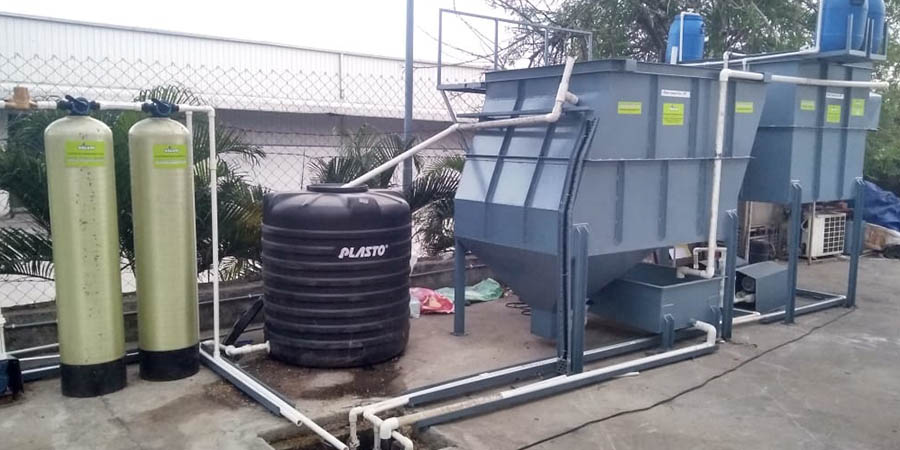
The filtrated water from the gravity filter shall be collected in chlorine
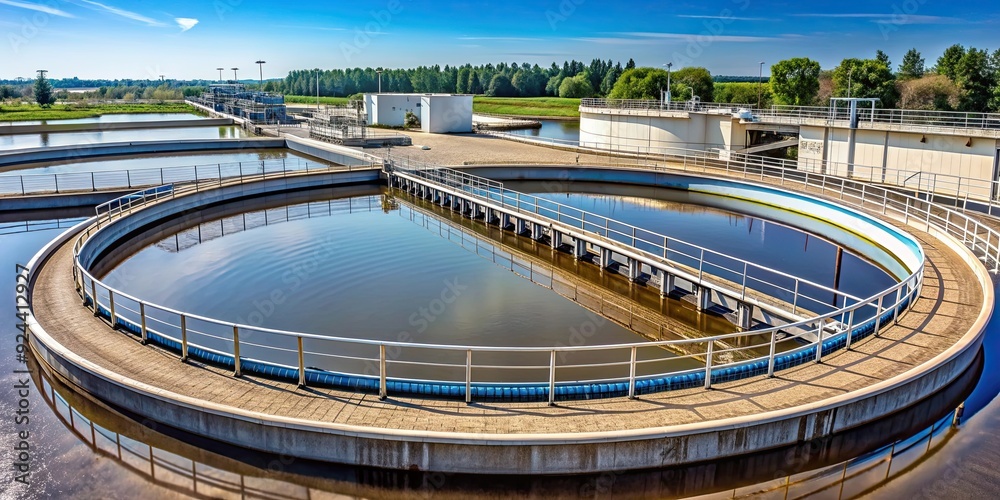
Treatment for drinking water production involves the removal of contaminants and/or inactivation of any potentially harmful microbes from raw water to produce water that is pure enough for human consumption without any short term or long term risk of any adverse health effect. In general terms, the greatest microbial risks are associated with ingestion of water that is contaminated with human or animal (including bird) feces. Feces can be a source of pathogenic bacteria, viruses, protozoa and helminths
Water treatment is the process of removing contaminants from raw water. It udes physical, chemical, and biological processes to remove physical, chemical and gical contaminants. Where drinking water quality standards do exist, most are expressed as guidelines or targets rather than requirements, and very few water standards have any legal basis or, are subject to enforcement.[30] Two exceptions are the European Drinking Water Directive and the Safe Drinking Water Act in the United States, which require legal compliance with specific standards.
In many cases, effluent water from one process can be suitable for reuse in another process if given suitable treatment. This can reduce costs by lowering charges for water consumption, reduce the costs of effluent disposal because of reduced volume, and lower energy costs due to the recovery of heat in recycled wastewater. Energy Consumption: Water treatment plants can be significant consumers of energy. In California, more than 4% of the state's electricity consumption goes towards transporting moderate quality water over long distances, treating that water to a high standard.[34] In areas with high quality water sources which flow by gravity to the point of consumption, costs will be much lower. Much of the energy requirements are in pumping. Processes that avoid the need for pumping tend to have overall low energy demands.